Litigation has a way of distilling a property’s story to its most defensible facts. When those facts involve value, rent, or damages, a qualified commercial appraiser in Lambton County becomes more than a consultant. In the courtroom, before a tribunal, or across a negotiating table, the appraiser stands as an independent expert whose analysis can carry the day or crumble under cross‑examination. Getting it right means matching local market knowledge with professional standards and a courtroom mindset.
Where property and process meet
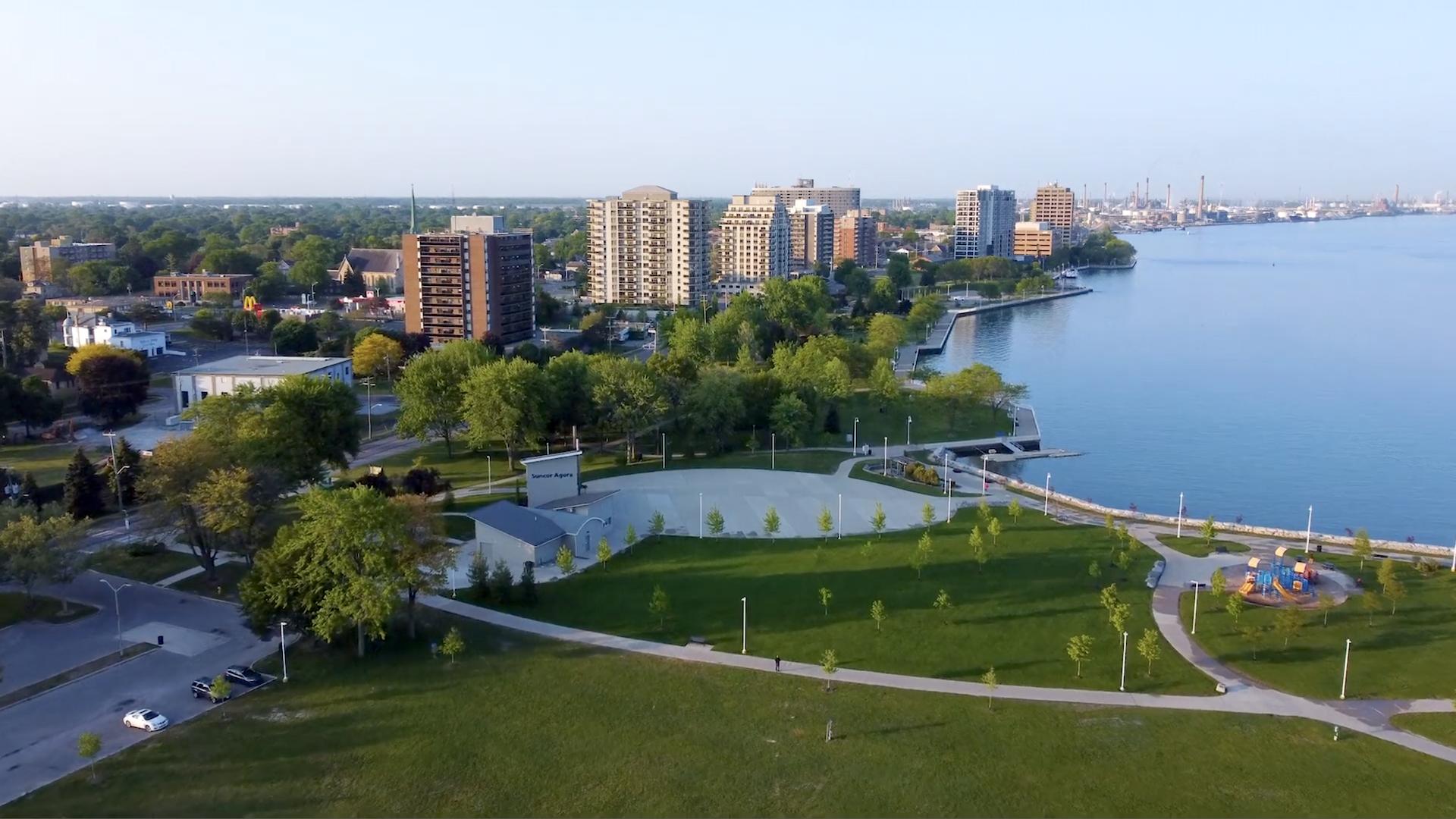
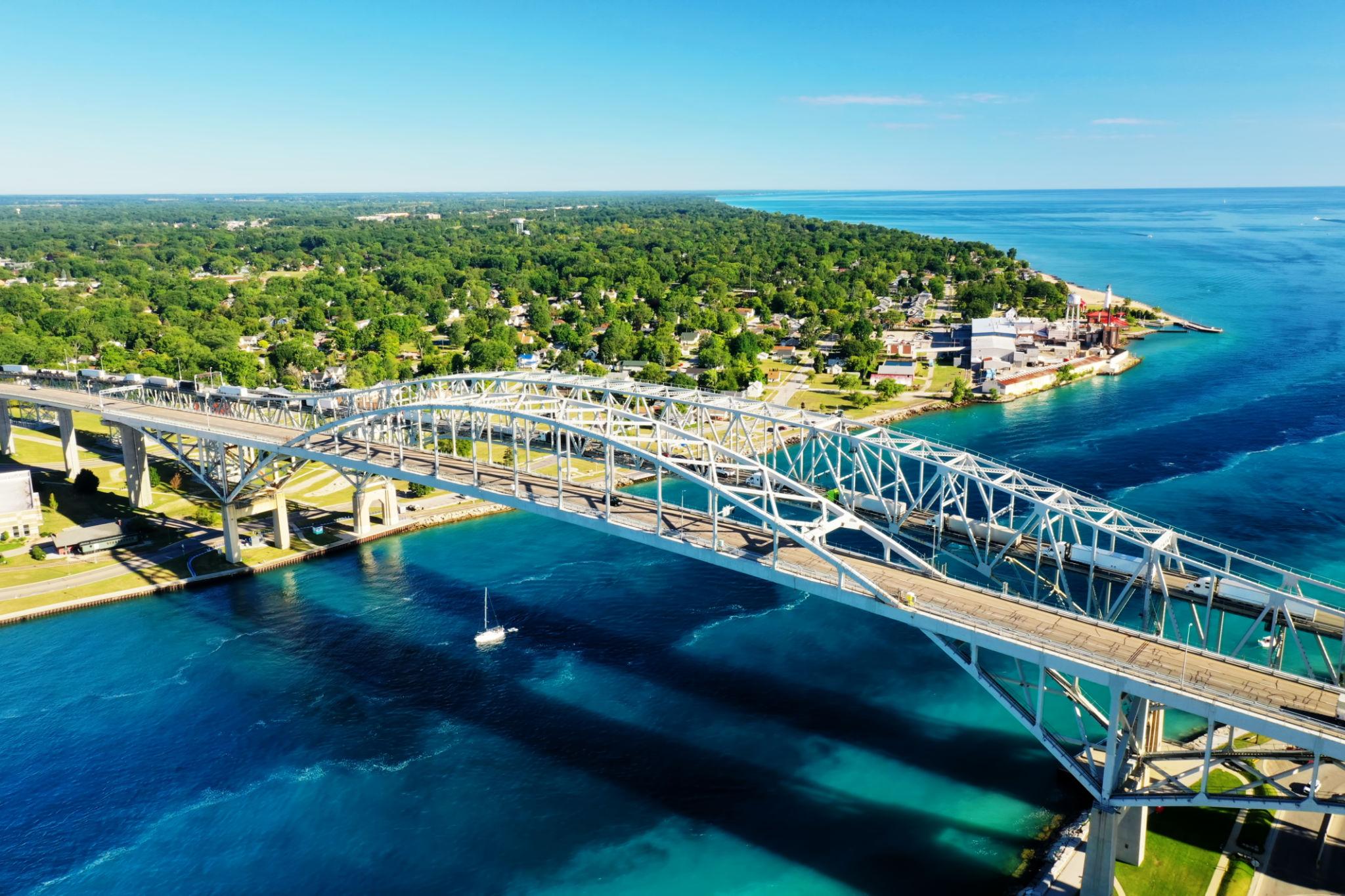
Lambton County is not a single market. Sarnia’s industrial corridor, with refineries, chemical plants, and related logistics, behaves differently from downtown retail near Christina Street or small‑bay industrial in the Airport Road area. Highway‑oriented commercial along London Line has its own rent curve and exposure profile. Corunna and Petrolia generally trade at different cap rates than Bright’s Grove or Forest, and lakefront parcels skew land valuations in ways that do not translate inland. Add cross‑border dynamics from the Blue Water Bridge, periodic plant turnarounds that ripple through demand for flex space and accommodation, and pockets of rural commercial or agricultural‑related assets, and you have a county that forces nuance into any commercial real estate appraisal in Lambton County.
In dispute work, that nuance carries into every assumption, from vacancy and credit loss to external obsolescence tied to nearby heavy industry. A commercial appraiser in Lambton County who has walked sites beside rail spurs on Confederation Street, toured Class B office conversions downtown, and read the City of Sarnia zoning by‑law cover to cover tends to write reports that stand up, because they begin from how this market actually behaves.
The expert’s duty comes first
In Ontario, the expert’s primary duty is to the court or tribunal, not the client. That is more than a line in an engagement letter. Under Rule 53.03 of the Rules of Civil Procedure and the Code of Conduct for Expert Witnesses, opinions must be independent, objective, and limited to the expert’s area of expertise. Commercial appraisal services in Lambton County that provide litigation support live by this standard, and it shapes everything from how data is gathered to how opinions are framed.
The Appraisal Institute of Canada’s CUSPAP standards sit alongside the legal framework. A report headed for the Ontario Superior Court of Justice, the Ontario Land Tribunal, or an expropriation board must satisfy both regimes. I have had counsel push to include aggressive rent growth assumptions to support a damages claim. The correct answer is still no, and the reason is simple. A defensible opinion under CUSPAP and Rule 53 protects the client better than a rosy number that unravels on the stand.

What makes testimony persuasive
Persuasive expert evidence does not come from volume. It comes from clarity, transparency, and a valuation bridge that a trier of fact can walk across. In a commercial property appraisal in Lambton County, that bridge typically rests on three approaches to value, each selected and weighted with care.
First, direct comparison. For small retail plazas or single‑tenant boxes along London Road, recent sales within 12 to 24 months are powerful when they are truly comparable. Adjustments in this county often turn on tenant covenant, exposure to industrial traffic, depth of parking, and site access from county roads.
Second, income capitalization. For stabilized assets in Sarnia or Corunna, I will extract cap rates from confirmed sales, but I will also cross‑check with investor interviews and lender spreads. In late cycles, a 50 to 100 basis point shift in cap rates can swing value by six to twelve percent. In Lambton County, I have seen single‑tenant net lease industrial trade at cap rates that are 100 to 200 basis points higher than similar assets in London or Kitchener due to perceived market depth. That gap matters, especially in damages calculations.
Third, cost. For specialized industrial and quasi‑public buildings, depreciation analysis is often the only reliable anchor. External obsolescence can loom large near heavy industry. Recognizing it explicitly, rather than burying it in a residual, keeps the report credible.
Taken together, these approaches create a range of value. In court, I explain not only the number I chose, but why I discarded the paths that led elsewhere. That reasoning, laid out step by step, is what judges remember.
Typical disputes where a commercial appraiser is pivotal
Lambton County produces a familiar set of property disputes, each with its own analytic traps.
Expropriation and corridor takings. Partial acquisitions for road widenings or utility easements require careful remainder analysis. I worked a case where the taking shaved six parking stalls from a convenience retail site. The immediate land value loss was small. The real impact was the parking ratio breach that knocked out a second tenant’s expansion and, by extension, the property’s re‑tenanting options. We modeled the before and after income profiles, supported by lease comparables and municipal parking standards, and expressed the value difference as both a direct capitalization delta and a discounted cash flow over a five year lease‑up horizon. The tribunal cared about both views.
Tax assessment appeals. MPAC’s model can overshoot or undershoot unique assets. For a small office building with high medical tenancy near Bluewater Health, assessed rents lagged actuals by roughly 15 percent. The appeal turned on rent comparables filtered for medical buildouts and shorter lease terms. A well organized rent roll, clear expense normalization, and a transparent market rent derivation won the adjustment.
Environmental stigma. Proximity to heavy industry or documented contamination creates both valuation and communication hurdles. In one file, a buyer retraded a price based on perceived air quality issues. We tested the claim with paired sales, although the sample was thin. We then shifted to market interviews, capturing lender and broker commentary that translated into a cap rate premium range. The final opinion was a range with a midpoint supported by the best empirical anchor available, and an explicit explanation of the data limits. The court accepted the methodology because we showed our work and constraints.
Lease disputes and damages. In a rent reset arbitration for a highway commercial pad, each side came with its own rent surveys. The key was pattern recognition. Pads with drive‑thru lanes commanded an average premium of 12 to 18 percent over similar sizes without them. Traffic counts and egress restrictions created another layer of differentiation. By stratifying comparables on those variables, the arbitrator could see the logic, not just the math.
Shareholder and matrimonial disputes. Small private companies often hold property through a corporation. Normalizing owner‑occupied rents to market is essential. I have seen litigants try to inflate or deflate rent to suit the narrative. The fix is simple. Strip out related party anomalies, document leasehold improvements, and price the space to what arms‑length tenants would pay in Sarnia, Corunna, or Petrolia, with adjustments for finish quality and parking.
Lambton County data realities
In major metros, transaction volume means deep comparable sets. Lambton County requires more forensic work. Sales can be sparse in some subtypes for months. Private deals do not always surface quickly. Industrial transactions tied to owner‑users muddy cap rate extraction. That is not an excuse for weak support. It is a prompt to widen the net and tighten the logic.
Data sources typically include MPAC records, Land Registry instruments, municipal zoning and official plans, broker and investor interviews, and, where available, third party databases. When comparables are thin, I will expand geography carefully to adjacent counties with similar demand drivers, then adjust back for market depth and exposure differences. I will also use multi‑year windows with time adjustments supported by local trend indicators such as mortgage rates, rent growth, and known anchor tenant events.
The report should make these choices explicit. Hidden scarcity is a gift to cross‑examination. Transparent scarcity, handled with sound judgment, builds trust.
Building a report that survives cross‑examination
An expert report is more than a binder. The structure matters, especially in contested matters where every sentence is a potential question. I prefer reports that flow from facts to analysis to opinion with minimal detours.
Start with property facts that are not in dispute. Legal https://privatebin.net/?a8be78c1ac2aff24#5zWdUBJm5F9VfoEdWRhPKPkDgLoU4dQUm5GnBfncJLad description, size, year built, construction type, current tenancies, recent capital expenditures, zoning, and conformity status. Include photographs that reveal not only the property but also its context, such as adjacent industrial uses or visibility from arterial roads.
Move to market context. Summarize key rent bands and cap rate ranges by subtype within Lambton County. Keep it specific. For example, small‑bay industrial in Sarnia often trades at higher cap rates than comparable space in London due to perceived liquidity, while prime retail near Lambton Mall holds value due to established anchors and traffic patterns. State ranges, not single numbers, and cite sources or interview counts.
Then lay out the valuation approaches you considered, why each fits or does not, and the specific assumptions used. When you make a judgment call, say so and explain why. If a direct comparison set requires a large adjustment for tenant strength, show how you derived that adjustment. Do not hide behind black box percentages.
Finally, present the opinion. If a range is more honest than a point estimate due to data limits, explain the width of that range and your weighting. For damages, separate the driver variables and present sensitivity. If cap rates widen by 50 basis points, how does that affect the damages window? Judges appreciate seeing the moving parts.
Working with counsel without compromising independence
Litigation is a team sport, but the expert must stay in their lane. The best counsel I have worked with send me pleadings, key documents, and timelines, then let the valuation lead. They also understand that an expert who rewrites the facts to suit a narrative becomes a liability at trial.
Early coordination helps. If disclosure deadlines loom, we set interim milestones. If site access is limited, we agree on alternative evidence, such as dated photos or contractor invoices. If a Monte Carlo sensitivity adds clarity, we discuss whether the court will find it helpful or confusing. The goal is a report the court can understand in a single pass, with appendices that allow deeper dives where needed.
Site inspection in industrial‑heavy contexts
Lambton’s industrial base introduces practical steps. Safety orientations, PPE, and the need to coordinate with plant schedules are standard on certain sites. For a commercial building appraisal in Lambton County near active plants, I often match inspection timing to shift changes to get a realistic sense of traffic and parking. Rail alignments and pipeline easements affect site utility. Odour or noise observations belong in the report when they are persistent and independently verifiable, not as dramatic flourishes but as context that may influence rent or vacancy assumptions.
For rural commercial nodes, issues trend toward septic capacity, well supply, and access. A highway site with a shallow ditch and no acceleration lane will lease differently than a site with safe ingress and egress.
Cross‑examination: where weak assumptions go to fail
Nothing exposes a wobbly adjustment like a tight cross. I have watched a solid report withstand 90 minutes of probing because each step tied back to a documented fact. I have also seen a valuation crumble because the expert could not explain a five percent location adjustment beyond saying it was market practice.
Preparation focuses on the logic chain, not memorizing every line item. I create a summary matrix that links each major opinion to the evidence that supports it. If my cap rate conclusion sits at 7.5 percent, I know which sales support that midpoint, what the lender spreads were, how my risk premium stacks up against alternative investments at the time, and why I did not choose 7.25 or 7.75. If a rent comparable looks like an outlier, I can articulate whether it reflects a concession, a tenant improvement allowance, or a seasonality effect.
Timelines and budgeting without surprises
Litigation schedules compress quickly. A typical expert engagement in Lambton County runs 3 to 8 weeks from instruction to report for a standard commercial property, longer for specialized industrial or multi‑property portfolios. The driver is usually data availability and site access, not writing time. Budgeting should reflect the complexity of the assignment, expected travel and interviews, and the possibility of rebuttal reports or testimony.
Counsel appreciate early flags. If a key sale requires additional confirmation or if a zoning interpretation is ambiguous and may change value materially, I raise it before it becomes a surprise on the eve of filing.
Remote testimony and demonstratives
Post‑pandemic, courts and tribunals remain open to remote or hybrid testimony in some contexts. Exhibits matter more on screen. I prepare clean, legible demonstratives that highlight the valuation path without drowning the audience in decimals. A simple chart that shows how the capitalization rate range maps to value can save fifteen minutes of explanation. For comparables, side‑by‑side summaries with photos and the handful of variables that drove adjustments keep the focus on what matters.
Ethics when the client is under strain
Clients in disputes are often stressed, and some will push for framing that shades the truth. An expert’s independence provides guardrails. I draw hard lines. No contingent fees. No drafting of advocacy arguments. No cherry‑picking comparables without explaining why others were excluded. If I cannot support the client’s preferred position, I say so early and let counsel decide the path. Most of the time, candid advice leads to better strategy and settlement leverage.
Local wrinkles you ignore at your peril
Industrial adjacency can cut both ways. For a transporter needing quick highway access and comfort near chemical plants, proximity is an asset. For a daycare or certain medical uses, it may be a deal breaker. Market rent conclusions should reflect actual tenant pools, not abstract averages.
Cross‑border dynamics from Port Huron matter in logistics and retail. Currency swings and U.S. Demand can ripple into hotel occupancy and small‑bay storage take‑up. I track bridge traffic statistics and seasonal patterns, especially when valuing assets reliant on pass‑through demand.
Waterfront influence can extend inland. Even if a subject is not lakefront, nearby recreational draws can lift transient retail and hospitality revenue assumptions. Conversely, off‑season slumps may be sharper than in purely residential catchments.
Two short checklists that keep files on track
- What I need from counsel at the outset: Pleadings, claims, and the relief sought All leases, amendments, and rent rolls Capital expenditure history for the last 5 to 10 years Environmental, zoning, and building file documents A timeline of key events with dates and sources Typical milestones on a litigation appraisal: Engagement and conflict check, scope confirmed Site inspection and initial data capture Comparable set assembled and confirmed Draft report for factual review, not opinion edits Final report filed, followed by reply or testimony prep
Case snapshots from the field
A Sarnia flex industrial, 35,000 square feet, partly owner‑occupied. The dispute centered on fair market rent for an internal transfer. The owner argued for 10 dollars per square foot net. The market said closer to 7.50 to 8.25 given 16‑foot clear heights, limited dock doors, and dated office finish. We built the case from nine leases within 18 months, adjusted for ceiling height, loading, and office ratio. The board adopted 8 dollars, and the parties settled the buyout on that basis.
A Petrolia medical office in a mixed‑use strip. MPAC’s assessment implied a 6 percent cap rate during a period when private investors were insisting on 7 to 7.5 for similar risk. We demonstrated the mismatch with three confirmed sales and lender commentary. The adjustment reduced the annual tax load enough to restore the landlord’s debt coverage ratio to lender covenants.
A highway commercial pad site near the county line with a fast‑food drive‑thru. The lease renewal hinged on market rent under a definition that excluded percentage rent. Our rent set stratified pads with and without drive‑thru, then layered in traffic counts and access limitations. The arbitrator split the band we presented. The tenant stayed, and both sides moved on with a clear schedule of increases.
Choosing the right commercial appraiser in Lambton County
Not all experts fit every file. For commercial appraisal services in Lambton County that involve testimony, look for three qualities. First, genuine local experience, the kind you only earn by inspecting dozens of properties across Sarnia, Corunna, Petrolia, Forest, and the rural townships, and by speaking regularly with the brokers and owners who move this market. Second, report craftsmanship grounded in CUSPAP, with assumptions that read as plain English, not jargon. Third, a courtroom presence that is straightforward, calm, and patient under pressure.
Ask to see anonymized excerpts that show how the appraiser handles thin data, environmental stigma, or specialized assets. Speak with counsel who have seen them on the stand. Ensure there is no conflict. Most of all, pay attention to how they push back. An expert who tells you only what you want to hear will not help you when it counts.
Where the expert adds leverage outside court
Not every file goes the distance. Strong reports have a way of nudging parties toward settlement. A damages model that isolates drivers and runs sensitivities makes the risk visible to both sides. A credible market rent conclusion, backed by clear comparables, shortens arbitration. In my experience, more than half of disputes resolve after expert reports exchange. In those cases, the expert’s role is still decisive, just not in a witness box.
Final thoughts from the witness chair
Commercial real estate appraisal in Lambton County asks for local fluency and disciplined method. The industrial backbone of Sarnia, the retail spines along London Road and Lambton Mall Road, the quieter nodes in Petrolia or Forest, and the rural edges with their own commercial logic all feed into valuation judgments. In dispute settings, that judgment must be both transparent and testable.
The best commercial appraiser in Lambton County for expert witness work brings a steady hand and a habit of showing the math. They respect CUSPAP and the court’s code, they know the market’s quirks, and they explain their reasoning so clearly that the number becomes almost self‑evident. When a case pivots on value, that combination is what turns analysis into evidence.